
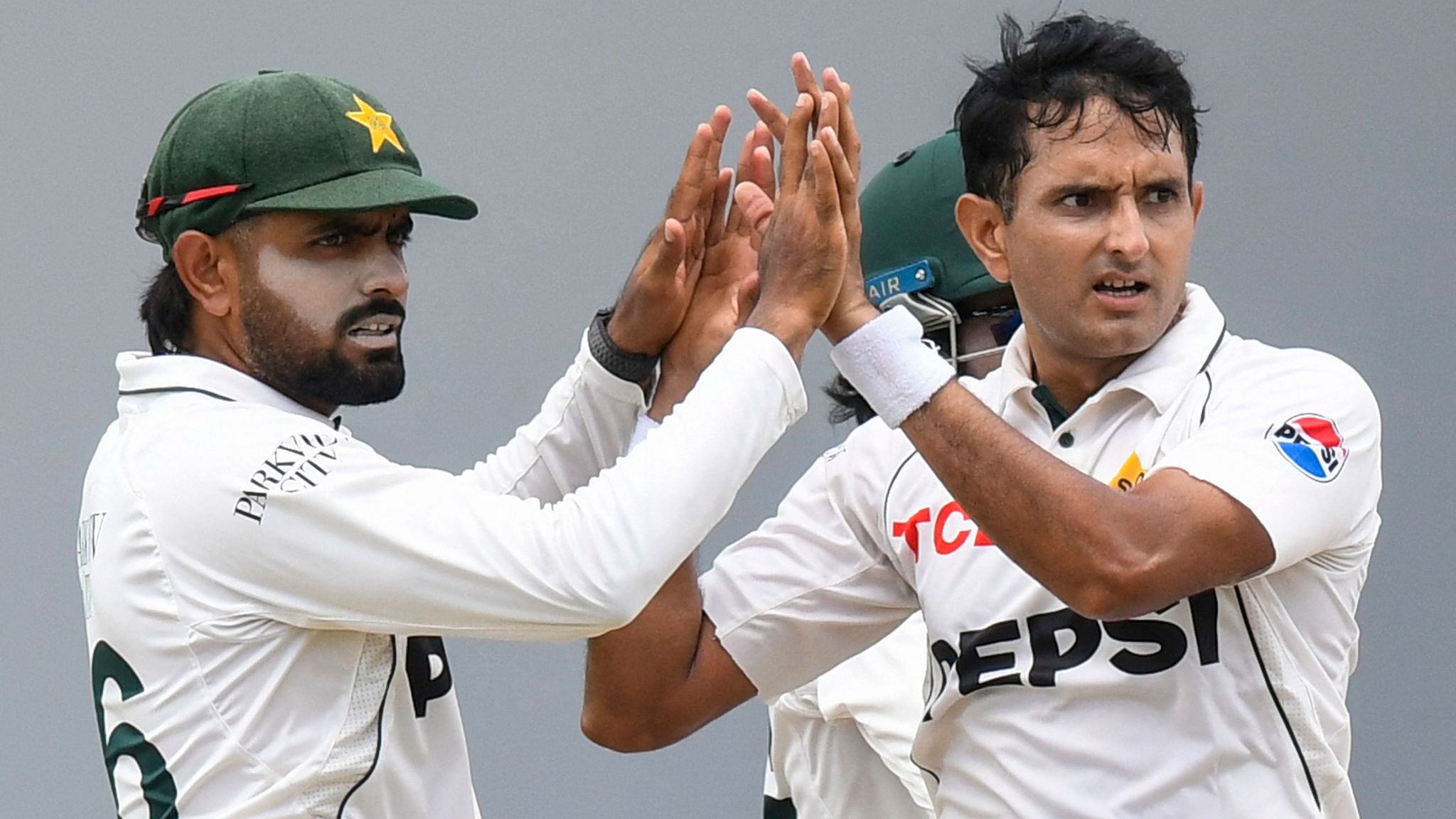
The state of Pakistan cricket has moved beyond a mere "rough patch" and into what many experts are now calling a full-blown systemic crisis. The recent three-day, innings-and-103-run drubbing by England at Headingley was not just another loss; it was a symptom of a deeper malaise that has seen the national side suffer 14 defeats in their last 19 Test matches. For a nation that prides itself on its "cornered tigers" spirit, the current reality is one of loose bowling, fragile batting, and uncharacteristically poor fielding.
The Administrative Merry-Go-Round
One of the most glaring issues facing the Pakistan Cricket Board (PCB) is the lack of continuity at the very top. Since 2021, the board has seen four different chairmen: Ramiz Raja, Najam Sethi, Zaka Ashraf, and the current head, Mohsin Naqvi. Each leader has arrived with a vastly different philosophy on how the game should be governed, leading to a lack of long-term vision.
Further complicating matters is the fact that the current chairman, Mohsin Naqvi, also serves as the country’s Interior Minister. In a country with pressing domestic security and political issues, questions are being raised about how much time a high-ranking government official can realistically dedicate to reviving a struggling cricket team. This "part-time" oversight is seen by many as a major hurdle in professionalizing the sport’s management.
A Domestic Structure in Shambles
The backbone of any successful Test side is its domestic first-class competition, yet in Pakistan, this structure has been treated like a laboratory experiment. Since the first first-class season in 1953, the structure has changed almost every single year. The most damaging shift occurred in the 2019-20 season when the pool of teams was slashed from 16 to just six.
This drastic reduction didn't just limit the talent pool; it destroyed livelihoods. Overnight, hundreds of players lost their careers, with some forced to take up driving taxis to survive. While the board eventually expanded back to 16 teams, the damage to the quality of the competition was done. Furthermore, the lack of geographic diversity is stifling player development. Domestic tournaments that were once played across 16 different grounds are now restricted to just four or five venues. This means top-tier batters like Abdullah Shafique and Imam-ul-Haq are not being tested in the variety of conditions necessary to prepare for international tours.
The Regression of "Golden Talents"
Perhaps the most heartbreaking aspect for fans is seeing once-prodigious talents stall or regress. Players like Shaheen Shah Afridi, Naseem Shah, and Babar Azam burst onto the international scene with immense promise, yet there is a growing consensus that they have not hit the heights expected of them.
Management of these players, particularly regarding injuries and workload, has been described as wasteful. Shaheen Afridi, for instance, has played only nine of Pakistan’s last 27 Tests since returning from a knee injury sustained while fielding in 2022. There are concerns that he was rushed back through rehab without adequate preparation. Similarly, Naseem Shah has been largely absent from the Test arena, failing to play a match since December 2024. Without the steady diet of first-class cricket required to build the physical stamina of a fast bowler, these stars are being "unceremoniously dropped" without clear explanations, a practice that experts say "messes with a player's career".
The Numbers Don't Lie
Statistically, Pakistan is playing at a disadvantage. The team simply does not play enough Test cricket to build rhythm or experience. Since 2017, they haven't played a double-figure number of Tests in a single calendar year. In 2025, they played only five matches—fewer than almost every other major cricketing nation except Sri Lanka, Ireland, and Afghanistan. While 2026 sees an increase to nine scheduled games, the lack of consistent match time has left the squad looking rusty and tactically behind their peers.
Are the Fans Giving Up?
The ultimate consequence of this decline is the loss of the "12th man"—the fans. The support at Headingley was noticeably sparse, reflecting a growing "fed up" sentiment among the Pakistani diaspora and domestic supporters alike. Fans are reportedly less angry about the losses themselves and more disillusioned by the chaotic governance of the game.
Experts warn that Pakistan cricket is at a dangerous crossroads. If the current trajectory continues, the sport could follow the path of hockey in Pakistan—a once-dominant national pastime that faded into irrelevance—or mirror the decline seen in West Indian cricket. As the team prepares for the second Test at Lord's, the pressure is no longer just on the players to perform, but on the entire institution to prove that it can still compete at the highest level.
Syed Naeem Abbas (Author , Marketing Team) — wrote / author this story.
Syed Aqeel (Founder, CEO, and Developer) — verified this story.
Comments(0
No comments yet. Be the first!