
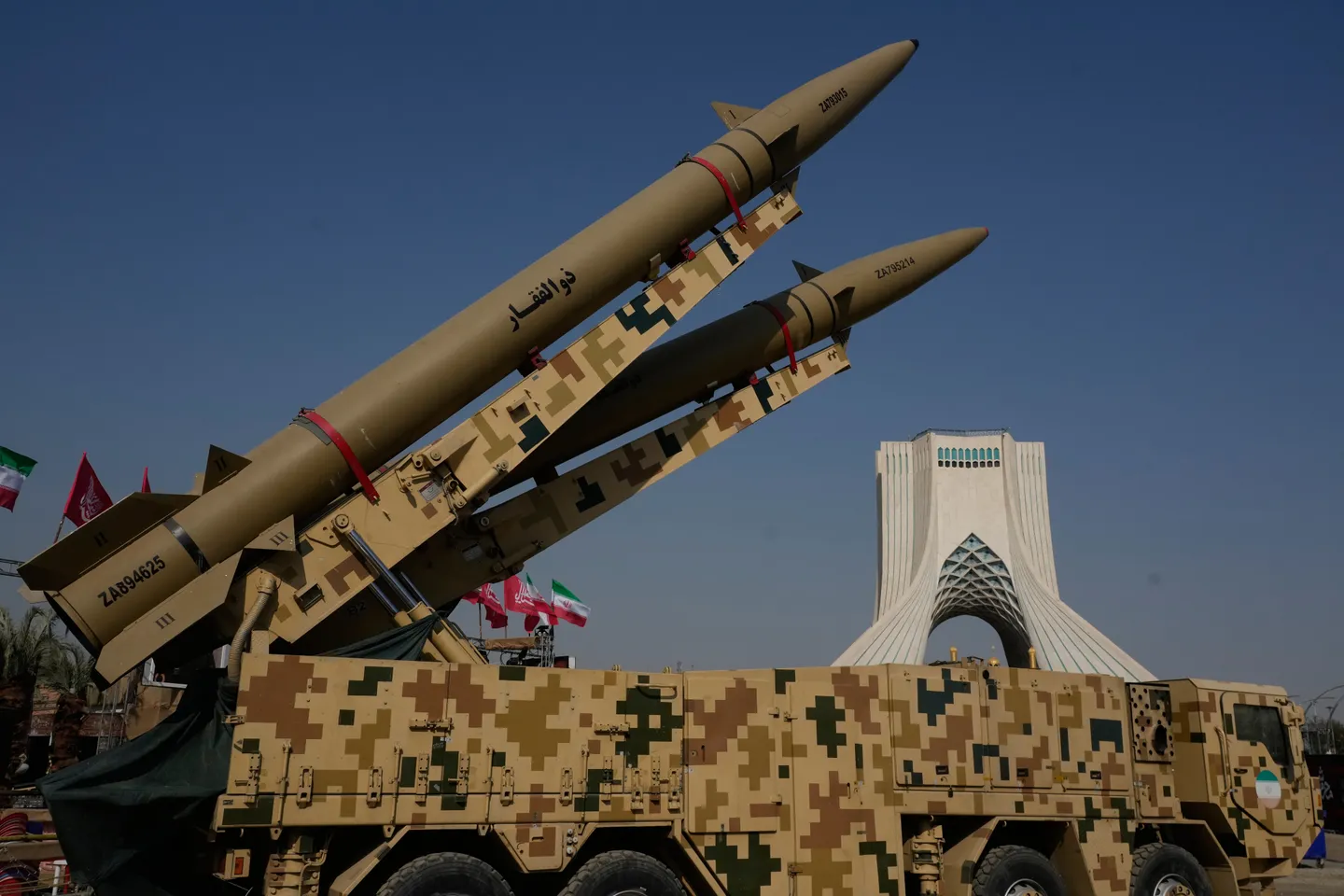
The Strategic Reorientation of the Iranian Armed Forces In a significant announcement that has sent ripples through the geopolitical landscape of the Middle East, the Iranian army has officially declared a transition in its core military doctrine. For decades, Tehran’s military strategy was characterized as primarily defensive, focused on deterrence and protecting its borders. However, according to Army spokesperson Brigadier General Mohammad Akraminia, that era has come to an end.
This shift toward an offensive military posture represents a profound change in how Iran intends to engage with regional threats and international adversaries. By moving away from a reactive stance, Iran is signaling its readiness to take the initiative in military engagements, reflecting a broader confidence in its regional standing. This is not merely a change in rhetoric; it is a structural realignment of how their forces are expected to behave on the modern battlefield.
What triggered Iran’s move from a defensive to an offensive posture?
The decision to overhaul the national military doctrine was not made in a vacuum. General Akraminia noted that the shift occurred gradually, informed by the tactical and strategic lessons learned during what he termed the "12-day and 40-day wars". These recent conflicts provided the Iranian military leadership with a roadmap for modern warfare, highlighting the necessity of agility and proactivity.
By analyzing the outcomes and requirements of these recent engagements, Tehran concluded that a purely defensive shell was no longer sufficient to protect its interests. Instead, the military is now prioritizing preemptive operations—the ability to strike a threat before it can materialize on Iranian soil. The move indicates that the military high command believes the best way to defend the nation is to be capable of striking first if a threat is deemed imminent.
What does "offensive posture" mean for Iran’s daily operations?
Transitioning to an offensive doctrine involves more than just a change in mindset; it requires a complete overhaul of response times and operational range. General Akraminia emphasized that the Iranian army is now prepared for faster and broader responses to any perceived attacks. This implies a higher state of readiness and a more expansive list of potential targets in the event of a conflict.
This means that in the event of a provocation, the Iranian response will likely be more immediate and potentially cross-border in nature, seeking to neutralize threats at their source. This "offensive" mindset is designed to project power beyond Iran's immediate periphery, ensuring that any conflict is fought on terms favorable to Tehran rather than waiting for an enemy to reach its borders.
The Bounty Program: A Controversial New Tactic Perhaps the most startling component of this new doctrine is the announcement of a formalized reward system targeting US military personnel. General Akraminia revealed that the army has devised a plan to offer significant financial incentives for the killing or capturing of US troops, specifically in the event of a ground incursion into Iranian territory.
The details of the plan are specific and designed to incentivize both military and civilian participation:
Base Reward: Members of the armed forces or civilians who legally possess hunting weapons are eligible for 5 billion tomans (approximately $26,000) for capturing or killing US troops.
Incentive for Women: Interestingly, the reward is doubled to 10 billion tomans (roughly $53,000) if the action is carried out by a woman.
Weapon Preservation: In a move that blends military operations with nationalistic symbolism, the army has committed to purchasing the weapon used in such an act for twice its value. The weapon would then be displayed in a military museum under the owner’s name, while the individual would receive a modern replacement weapon.
Regional Shifts: A Middle East Without Washington?
A central theme in General Akraminia’s briefing was the perceived decline of American influence in the Middle East. He argued that the US position in the region has "declined sharply," pointing toward a new regional security architecture that excludes Washington.
According to the spokesperson, a defense and security mechanism has been established independently by Saudi Arabia, Türkiye, and Pakistan. Regardless of the long-term effectiveness of this specific mechanism, Iran views its existence as a historical milestone—the first major regional security arrangement formed without US participation. For Tehran, this shift justifies its more aggressive posture, as it perceives a power vacuum where American dominance once stood.
Seeking "Power and Dignity"
The military shift aligns with recent political rhetoric from Tehran. President Pezeshkian has suggested that while the war with the US should ideally end, it must do so only when Iran is in a position of "power and dignity"
By strengthening its offensive capabilities and creating high-stakes deterrents like the bounty program, Iran appears to be building the leverage it believes is necessary to negotiate or conclude hostilities from a position of strength.
This evolution of strategy—from a defensive posture to an offensive one—is a clear signal to the world that Iran is no longer content with a policy of containment. Whether this leads to greater regional stability through deterrence or increased friction through preemptive action remains the most critical question for the years ahead.
Comments(0
No comments yet. Be the first!